November 15, 2026
What Tree Care in Belleville Has in Common With Dental Care: Why Prevention Matters
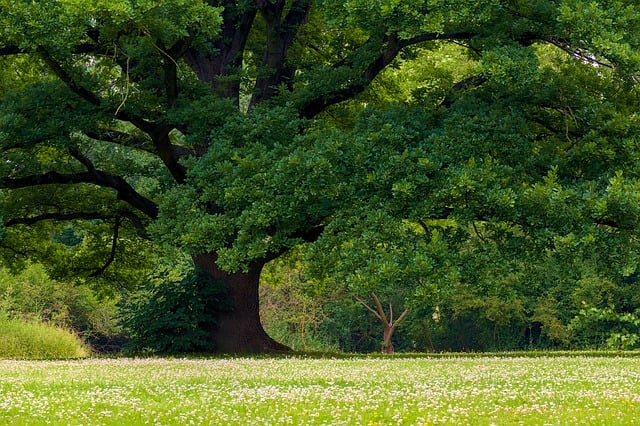
Most people would never compare an oak tree to a molar, but tree care and dental care have more in common than you might think. Both depend heavily on prevention, early detection, and fixing small problems before they become expensive ones. A reliable Belleville tree service can inspect trees for decay, weak branches, root problems, and structural issues in much the same way a dentist checks for cavities, cracks, and gum disease. In both cases, waiting until something hurts—or falls—usually makes the problem harder to solve.
Small Problems Rarely Stay Small
A tiny cavity does not usually stay tiny forever.
The same principle applies to trees.
A small crack in a branch, an early sign of decay, or a damaged section of bark may seem harmless at first. Over time, weather, pests, disease, and repeated stress can make the problem worse.
That is why routine observation matters.
If you notice dead branches, unusual growth, peeling bark, leaning limbs, or mushrooms near the base of a tree, those changes deserve attention.
Just like tooth sensitivity can be an early warning sign, subtle changes in a tree can signal a developing problem.
Trees Have “Cavities” Too
Tree cavities are not exactly the same as cavities in teeth, but the comparison is useful.
A hollow or decayed area can form where a branch has broken, bark has been damaged, or internal wood has deteriorated.
Some cavities are relatively minor.
Others may weaken the structure of the trunk or a large branch.
The important thing is not to assume that every hollow tree is dangerous—or that every cavity is harmless.
A professional evaluation can help determine how much sound wood remains and whether the tree is structurally stable.
In other words, the visible hole is only part of the story.
Roots Matter More Than You Can See
Dentistry is not just about the visible part of the tooth.
Roots and surrounding tissues play a major role in overall dental health.
Trees are similar.
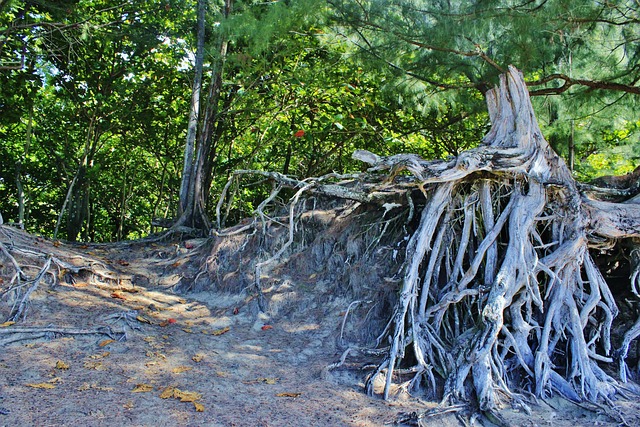
Most of the root system is hidden underground, but root damage can affect the entire tree.
Construction, soil compaction, trenching, overwatering, poor drainage, and changes in soil level can all stress roots.
A tree with damaged roots may begin leaning, thinning out, or losing branches.
Because the problem is below ground, homeowners may not notice anything until the tree starts showing symptoms above the surface.
Protecting the root zone is one of the most important parts of preventive tree care.
Regular Checkups Can Catch Trouble Early
People visit dentists even when nothing hurts.
That is the idea behind preventive care.
Trees can also benefit from periodic inspections, especially large trees near homes, driveways, sidewalks, or power lines.
An arborist or tree-care professional may identify deadwood, weak branch unions, pest activity, disease symptoms, or structural defects before they become urgent.
This does not mean every tree needs constant intervention.
Healthy trees often need very little.
The goal is simply to catch meaningful problems early enough that there are more options for managing them.
Pruning Is a Lot Like Routine Cleaning
Dental cleanings remove buildup and help prevent bigger problems.
Proper pruning plays a similar maintenance role for trees.
Removing dead, broken, rubbing, or poorly positioned branches can improve structure and reduce unnecessary weight.
Pruning can also improve clearance around roofs, sidewalks, and driveways.
But just as you would not perform a complicated dental procedure without knowing what you are doing, aggressive tree cutting can cause harm.
Removing too much canopy or making poor cuts can stress a tree and create new problems.
Good pruning is selective rather than excessive.
Ignoring Decay Can Become Expensive
One of the biggest similarities between trees and teeth is the cost of delay.
A small dental problem may need a simple filling when caught early.
If ignored, it could eventually require a root canal, crown, or extraction.
Tree problems follow a similar pattern.
A damaged branch might only need pruning today.
If decay spreads or structural weakness becomes severe, the tree could eventually require extensive work or complete removal.
That is why preventive care can often be less disruptive than emergency care.
Storms Are Like Sudden Toothaches
Some problems stay quiet until stress exposes them.
With teeth, that might be biting down on something hard and suddenly discovering a crack.
With trees, the equivalent is often a storm.
Strong wind, heavy rain, or snow can place extra stress on weak branches and compromised trunks.
A defect that seemed harmless in calm weather may become dangerous under load.
This is another reason trees near buildings and high-traffic areas deserve extra attention.
Preventive inspection cannot eliminate every storm-related failure, but it can help identify obvious weaknesses beforehand.
Removal Is Sometimes the Last Resort
Dentists usually try to save a tooth when it is practical.
Tree professionals generally take a similar approach.
A mature, healthy tree can provide shade, privacy, beauty, and habitat, so removal should not automatically be the first option.
However, there are cases where removal makes sense.
A severely decayed, unstable, dead, or hazardous tree may no longer be safe to retain.
The decision depends on location, condition, structure, and the potential consequences if the tree fails.
That is why assessment matters more than simply looking at the tree from the ground.
Prevention Is Easier Than Emergency Work
The biggest lesson shared by dental care and tree care is simple: prevention usually gives you more choices.
Routine checks, early attention to warning signs, and proper maintenance can reduce the chance that a small issue turns into a major one.
For Belleville homeowners, that means paying attention to changes in trees rather than waiting for a branch to fall or a trunk to split.
Your trees do not need toothbrushes or floss, but they do benefit from the same basic philosophy your dentist recommends: inspect regularly, deal with problems early, and do not wait until something becomes painful—or expensive—to take action.
