September 30, 2026
Small Problems Become Big Repairs: What Roof Leaks and Dental Cavities Have in Common
Small problems are easy to ignore, especially when they do not seem urgent. A tiny roof leak or a minor toothache may not disrupt your day, but both can become expensive problems when left untreated. Homeowners who contact roof repair experts in Triangle early can often prevent water damage, structural issues, and costly restoration work. The same principle applies to dental health. A small cavity that could be treated quickly may eventually require a root canal, crown, or extraction. In both cases, early attention can save time, money, and unnecessary stress.

Small Warning Signs Are Easy to Dismiss
One reason roof and dental problems become serious is that the earliest warning signs are often subtle.
A roof may have a slightly damaged shingle, a small gap around flashing, or a minor leak that appears only during heavy rain. Because the problem is not constantly visible, homeowners may assume it can wait.
Dental problems often develop the same way. Mild tooth sensitivity, occasional discomfort, or a tiny cavity may not seem serious enough to schedule an appointment immediately.
Unfortunately, neither roofing damage nor tooth decay usually improves on its own. Once the underlying issue starts progressing, the damage can spread.
A Small Roof Leak Can Affect More Than the Roof
Water has a way of finding paths through even tiny openings.
A damaged shingle or deteriorated seal may initially allow only a small amount of moisture into the roofing system. Over time, that moisture can reach roof decking, insulation, ceilings, and walls.
What begins as a minor roofing repair can eventually contribute to:
- Damaged insulation
- Ceiling stains
- Rotting wood
- Mold growth
- Interior wall damage
- Structural deterioration
The longer water remains undetected, the more complicated the repair may become.
This is why homeowners should pay attention to signs such as missing shingles, damaged flashing, water stains, sagging areas, or unexplained moisture inside the home.
Cavities Follow a Similar Pattern
Dental cavities can start extremely small.
Bacteria in the mouth produce acids that gradually weaken tooth enamel. During the early stages, a person might experience little or no discomfort.
If decay continues, however, it can move deeper into the tooth.
A small filling may be enough when a cavity is discovered early. Once decay reaches deeper layers or the nerve of the tooth, treatment can become much more involved.
Depending on the damage, a patient may eventually need:
- A larger filling
- A dental crown
- Root canal treatment
- Tooth extraction
- Tooth replacement
The lesson is simple: treating the problem early is generally easier than repairing extensive damage later.
Prevention Costs Less Than Major Repair

Roofing and dentistry share another important similarity—preventive maintenance can reduce the likelihood of major emergencies.
Regular roof inspections can identify loose shingles, deteriorating sealants, damaged flashing, clogged drainage areas, and other vulnerabilities before significant water intrusion occurs.
Dental checkups serve a similar purpose.
Dentists can identify early decay, gum problems, cracks, and other concerns before they develop into painful or complicated conditions.
In both situations, routine inspections provide an opportunity to fix smaller problems while they are still manageable.
Waiting Often Makes the Situation More Expensive
People often postpone repairs because they are trying to save money.
Unfortunately, delaying necessary maintenance can sometimes have the opposite effect.
A homeowner might avoid paying for a minor roof repair, only to discover months later that water has damaged the roof deck and interior ceiling.
Likewise, someone might postpone treating a cavity and eventually require a more expensive dental procedure.
This does not mean every small issue automatically becomes a major problem. However, early professional evaluation usually gives you more options.
Once damage becomes extensive, those options can become limited.
Watch for Early Warning Signs
Being proactive starts with recognizing when something seems unusual.
For your roof, watch for signs such as:
- Missing, cracked, or curling shingles
- Water stains on ceilings
- Damp areas in the attic
- Damaged flashing
- Granules collecting in gutters
- Visible roof deterioration after storms
For dental health, common warning signs may include:
- Tooth sensitivity
- Pain when chewing
- Persistent toothache
- Visible dark spots
- Gum irritation
- Sensitivity to hot or cold foods
These symptoms do not always indicate serious damage, but they are worth having evaluated.
Professional Inspections Can Reveal Hidden Problems
Both roofs and teeth can hide damage that is difficult to see without proper experience and equipment.
A roofing professional may identify water entry points that are not obvious from the ground. Similarly, dentists can use examinations and imaging to detect decay that may not yet be causing noticeable symptoms.
Professional evaluations can help determine whether a problem requires immediate attention, routine maintenance, or simply monitoring.
That knowledge makes it easier to make informed decisions instead of waiting for an emergency.
The Bigger Lesson: Deal With Problems Early
Roof leaks and dental cavities may seem completely unrelated, but they teach the same practical lesson.
Small problems are usually easier to manage before they spread.
Scheduling routine inspections, paying attention to warning signs, and taking action when something appears wrong can help prevent larger problems later.
Whether you are protecting the roof over your home or maintaining your dental health, preventive care is rarely wasted effort.
A minor repair today may prevent a much larger repair tomorrow—and that can mean fewer emergencies, lower costs, and considerably less stress.




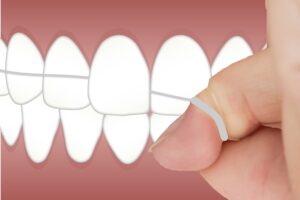 The teeth have a protective barrier that’s made of teeth and gums working together to form a protective layer against substances that would otherwise injure the oral mucosa. However, bacteria are constantly attacking teeth in the mouth resulting in various teeth and gum problems. But don’t fret, with good dental hygiene practices, you can keep them at bay.
 that roofing leads can become clients.
 This sort of coating displays a high level or resistance towards standing water and mildew, and it ultimately lasts for a long time due to its tolerance of varying degrees of weather and temperatures. With that being said, as much as possible, try not to apply a fluoride-based coating in conditions that have ponding water – there’s no fixed guarantee that this will work, although this coating has been proven to be stronger and more resistant than most water-based coatings. In fact, Polyvinylidene fluoride is often found used in electrical wires insulation; this is because it is lightweight, has low thermal conductivity rates, is resistant to chemical corrosion, and is extremely flexible. That’s a selling point for sure, and it’s why it’s a top pick for roofing leads.
 PVDF coating dries and cures much faster in comparison to a lot of other water-based coatings, so it makes a perfect pick for this situation.

 Unfortunately there are some companies that do allow
  It was only recently that I built up the courage to finally visit a dentist. This was after one of my co-workers recommended GRD Lacrosse. I took his advice and decided to call them up for an appointment. It was from this moment on that I knew I had made the right choice. They were just so professional in every aspect. If all dentists are like this, it’s hard for me to believe why anyone wouldn’t want to visit them.
 enclaves within the football world, the reasons for dentists to join the fun has become to become deafeningly apparent. Dentists are starting to see that the fantasy world isn’t as far away from their world of health, healing and medicine.
 football, the hobby takes on a bit more significance. For the dentist, there can be this “crystal castle effect” where the dentist feels isolated from some of the other people in the world due to the exclusion and loneliness that goes into learning a trade and a craft such as dentistry. Getting into a hobby or social group activity that breaks down this position of solitude is definitely a great thing.
 the rest of the world. One thing they and nearly everybody shares in common is the love for sports and football is chief among those sports. Acting on this natural love for sports action and competition, people can find ways to share moments and common grounds, rather than continue to find ways to keep people apart. Despite the competition that is inherent in fantasy premiership leagues, there is also a real group camaraderie that exists between the various participants. This is not to mention the robust community of forums, websites, social media and newsgroups around the practice of playing fantasy premiership football. “Seek and ye shall find,” as it were.
 compared to the average person. Knowing this and having this true flexibility allows dentists to be able
 fantasy football players will simply just create a league that has the features or culture they want. That’s the advised path to take so that other people can see the group you’ve created and possibly join it.
 Across them, a giant tooth cake stood on a pedestal with a male-looking tooth beside a female-looking tooth, both showcasing radiant smiles. On top of the cake, where cake toppings should be, were the bride and groom as teeth. I would later be told that the cake didn’t have a lot of sugar as sugar spoils teeth.
 If you are a dentist, it’s highly recommended that you consider


 Have you been trying to hide that missing tooth which happened because of an accident? Or do you feel forced to cover your teeth because they are too yellow? And if you have multiple problems with your teeth, can they be all dealt with under one roof effectively?
 Whatever your dental problem, Dr. Ku can make sure that you go back home with a different story. The type of service you get when you choose to visit Dr. Ku is special and all the patients are treated with respect and honor. Booking for a session with Dr. Ku has also been made available to all patients interested in his high quality services. All you need to do is make a call or visit his website through which you can easily send a message. When it comes to the cost of Dr. Ku’s high quality services, you need to know that you do not have to spend a fortune. Dr. Ku offers his services at pocket friendly prices.
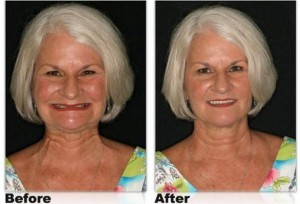 How do you determine what a reasonable cost for dentures would be? Like many orthodontic services, this depends on exactly what you need and where you are willing to go for these dentures. The typical